

Stories and labels
How a documentary about Marilyn Monroe got me thinking....

I’ve just finished watching a Marilyn Monroe documentary called ‘Reframed’ currently on BBC iPlayer.
It’s been a revelation to me and got my midlife mind thinking!
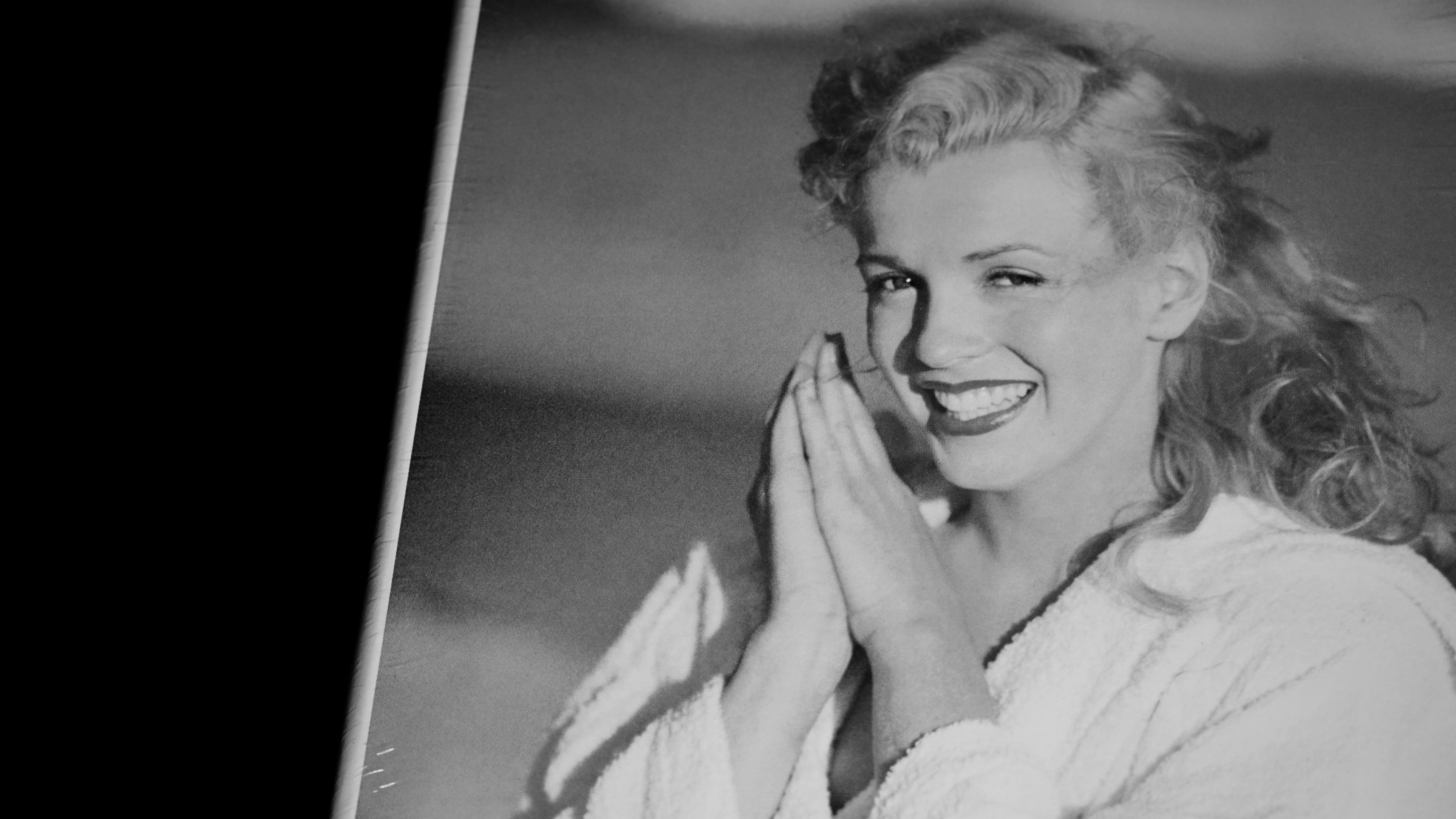
So much so that I’ve decided I’m going to be more ‘Marilyn’ from now on.
No, that doesn’t mean I’m suddenly going to dye my brunette hair platinum blonde or somehow morph my midlife body into the star’s seductive curves. It’s far more skin deep than that. I want to channel Marilyn for who she was and what she stood for.
Through the documentary narrated by Jessica Chastain and with female-only commentators and biographers, it was a revelation to see Marilyn through a completely different lens - the female gaze. From this perspective, it soon became clear that the myth and stories surrounding Marilyn have, more often than not, been told two-dimensionally. You know; blonde bombshell and tragic victim.
As is often the case with the narrative around famous women throughout history - their story gets boiled down to a set of well-worn female tropes. Of course, this makes everything much simpler and reductive - labelling, then containing women to minimise and undervalue their true talents and achievements. And even more so when they dare to step out of line and challenge the patriarch.
What’s refreshing and compelling about this documentary is that a far more nuanced and multi-dimensional story is observed and shared. One that does justice to all her talents, not only those that could be objectified or commercialised. Indeed, it hardly focuses on her as a victim.
Presented here was a one-woman powerhouse who overcame childhood traumas (12 foster homes and an orphanage) to become one of the most famous women in the world. A woman who achieved more in her 36 years than most of us do in a lifetime.
But how in an ocean of aspiring, beautiful women all vying for Hollywood stardom did she break through? Not on looks alone that’s for sure, and not without immense personal and professional strength.
As her story unfolds, her sheer tenacity and unrelenting belief in herself are revealed. Here was a courageous, principled, astute and savvy woman who wasn’t prepared to just play the game for fame. She did it on her terms and in doing so challenged the sexism and exploitation that was so rife in Hollywood and wider society at the time. Today, 61 years later not only does she endure as a global icon but also for me as a modern day role model.
Hollywood in the 1940s and 1950s, when Norma Jean was first breaking into acting was a deeply misogynistic and unwelcoming place for women. Men made up the rules and exerted all their power to enforce them; to the point of abuse. For any aspiring actress the rule book had to be followed or else it was a swift and cruel goodbye to any dreams of stardom. In this reality, women were treated purely as physical and financial commodities; ripe for moulding and manipulating.
Subjected to constrictive contracts that left actresses woefully underpaid, typecast and with no creative control, it was against this backdrop of suppression that Marilyn took her stance and fought back.
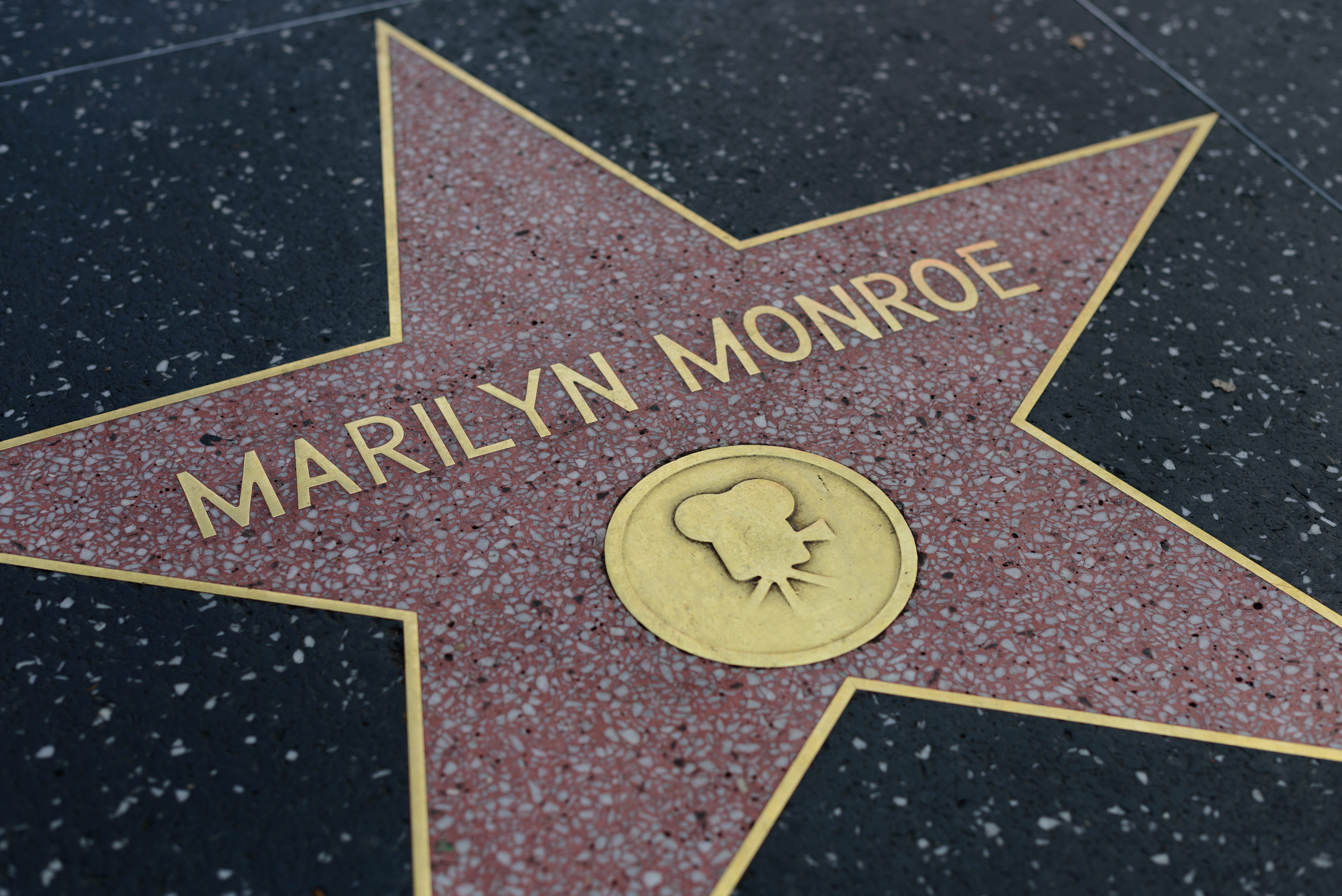
Of course I could go on and tell you all the ways that she did that but that would spoil things if you wanted to watch the series! So I hope I’ve piqued your curiosity enough to find out more about the real Marilyn and why she was a woman so ahead of her time.
The four-part documentary also got me thinking about how biographical stories are told and myths perpetuated depending on the storyteller; their biases and motivations. And how this could just as easily apply to ourselves as storytellers of our own lives.
I’m talking about those narratives that we’ve crafted and etched from a young age that somehow become entrenched in our minds. The script about ourselves we’ve believed in for so long that we can’t see fact from fiction. By defining ourselves and acting upon these habitual and often ill-fitting labels we only serve to keep ourselves small and safe; out of reach from our infinite and dazzling potential.
I truly believe that midlife is a time to ‘reframe’ our own narratives. Many women I talk to say that they get more curious and honest about who they are at this stage of life. And through this inquisitiveness they are ready and willing to challenge the internal stories they’ve clung onto for too long. They realise these self-imposed labels, like a pair of old jeans, no longer fit them. A new midlife chapter of growth, healing and maturity calls for a different narrative - one that reflects the woman they’ve become or are becoming.
So as a midlife woman, I challenge you to think about your own out-dated stories and labels. Those that are no longer tell your story at this stage of you. How are you typecasting yourself and restricting your own creative control around how you tell you own story? What tired, old plot lines are you ready to let go of?
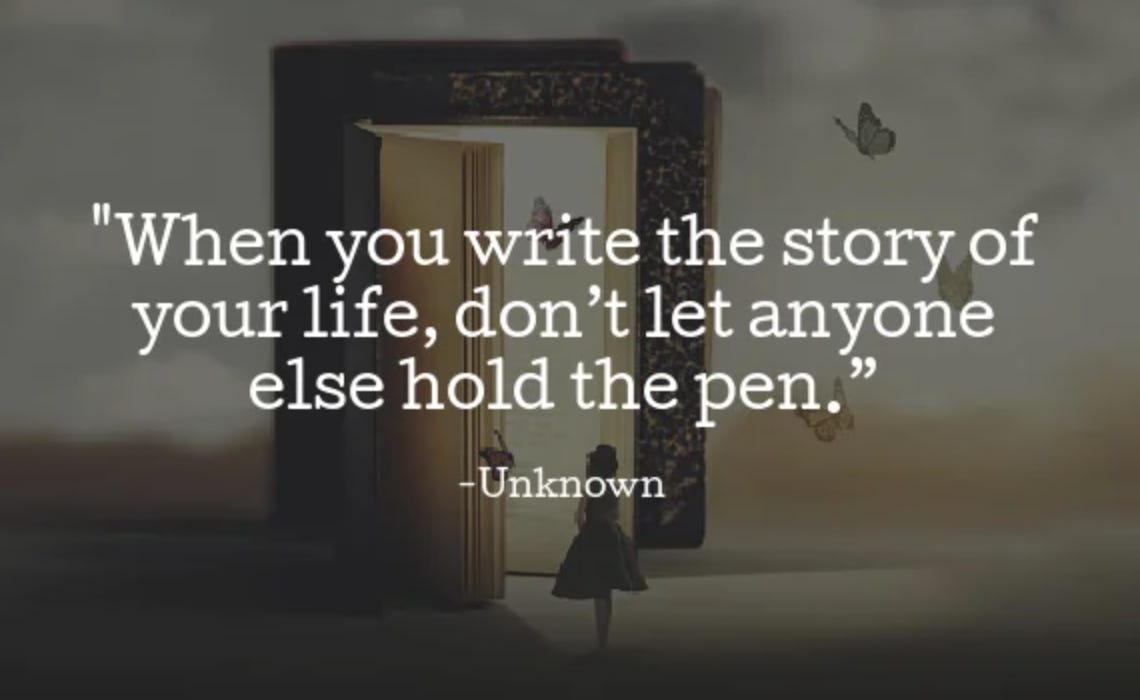
Unravelling and redefining your story in midlife takes time and courage - it often involves a deep dive into self-awareness and realisation. It might feel scary to deviate from a well-thumbed script you’ve stuck to all your life (and others have come accustomed to), but it will be worth it.
For once you’ve refined your story to reflect the true, evolved you and started to confidently share it, not only will you believe in own potential, you’ll also be an inspiration for other women. Just like discovering Marilyn’s true colours through ‘Reframed’ has inspired me to become a bolder and braver version of myself as I begin to rewrite the next chapter of my life.
I’d love to get any feedback or thoughts on this piece - so please do feel free to leave any comments below.
Also, if you’ve enjoyed this, I’d love you to share my Fifty Thrive Substack with any midlife friends you think might enjoy it too.
I’m here to build a thriving community through my midlife musings and inspirational stories from wise women and will be sharing at least two posts a month.